If you want to improve your manufacturing process, understanding particle size testing is key. It helps you catch variations early, preventing costly issues like equipment clogging and inconsistent product quality. By controlling particle size, you can optimize your milling and mixing, reduce waste, and save energy. But how exactly does this testing translate into smoother production and better efficiency? Let’s explore the critical role it plays in your operations.
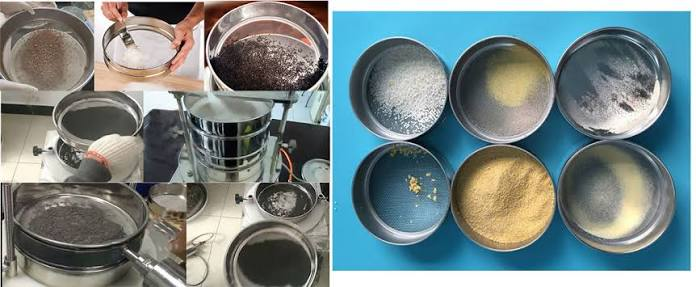
Why Particle Size Testing Matters for Manufacturing Efficiency
Because particle size directly impacts product quality and process consistency, you can’t afford to overlook particle size testing in manufacturing. When you regularly test particle size, you gain control over your processes, reducing waste and avoiding costly production delays.
This testing helps you optimize material use, ensuring your operations run smoothly without unexpected hiccups. You’ll spot variations early, so you can adjust before problems snowball.
It also lets you maintain efficiency without sacrificing flexibility, giving you freedom to innovate and adapt quickly. By integrating particle size testing, you streamline your workflow, improve equipment performance, and boost overall productivity.
In short, it’s a powerful tool that keeps your manufacturing agile, efficient, and responsive to changing demands.
How Particle Size Influences Product Quality and Consistency
Understanding how particle size affects your product’s quality and consistency builds directly on the control you gain from regular testing. When you manage particle size precisely, you guarantee uniformity in texture, appearance, and performance, which your customers will notice.
Smaller or uneven particles can cause clumping, poor flow, or inconsistent reactions, limiting your product’s reliability. By mastering particle size, you reduce waste, minimize batch failures, and deliver consistent results every time.
This control lets you innovate freely without fearing unpredictable outcomes. Ultimately, keeping particle size in check means your products meet exact standards, boosting your reputation and giving you the freedom to focus on growth and creativity instead of firefighting quality issues.
You own the process — make it work for you.
Common Particle Size Measurement Methods and Their Production Benefits
When you choose the right particle size measurement method, you gain more than just data—you reveal improvements across your entire production process.
Methods like laser diffraction, dynamic light scattering, sieve analysis, image analysis Lab Alliance, and sedimentation each offer unique advantages that help you optimize efficiency.
By understanding these techniques, you can select the one that fits your needs and drives production benefits.
Common benefits you’ll notice include:
- Faster quality control and decision-making
- Enhanced product consistency
- Reduced material waste
- Improved process control and scalability
- Better compliance with industry standards
Picking the right method lets you maintain freedom in manufacturing choices while boosting performance and product reliability.
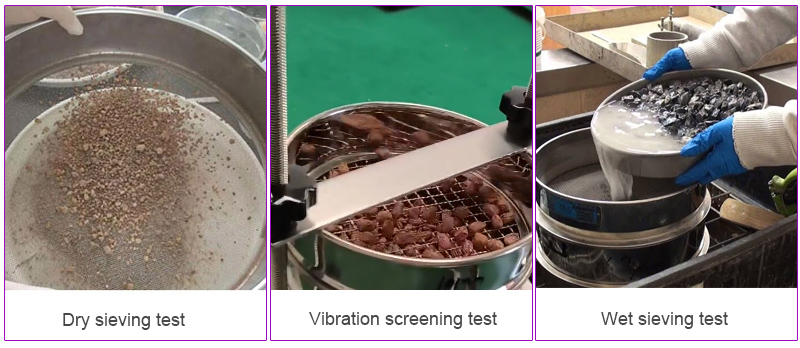
Using Particle Size Testing Data to Reduce Waste and Downtime
Although particle size testing might seem like just another step in your quality control process, the data it provides can directly cut down waste and minimize downtime.
By understanding Particle Size Distribution, you can quickly spot inconsistencies that might cause equipment clogging or product defects. This early detection lets you adjust processes before problems escalate, saving materials and preventing costly stoppages.
Plus, accurate particle size data helps you optimize raw material use, reducing overprocessing and scrap. When you rely on solid data, you avoid guesswork and keep production running smoothly.
Ultimately, using particle size testing data empowers you to make smarter decisions that free you from unnecessary waste and interruptions, boosting both efficiency and your bottom line.
Real-World Examples of Particle Size Testing Improving Efficiency
Since particle size testing directly impacts production quality and efficiency, many companies have leveraged it to achieve measurable improvements. When you apply precise particle size analysis, you can uncover smoother processes and cut costs.
For example, manufacturers have:
- Reduced batch inconsistencies by monitoring particle distribution
- Enhanced product texture and performance through precise sizing
- Minimized equipment wear by avoiding oversized particles
- Decreased energy consumption by optimizing milling processes
- Lowered scrap rates by maintaining tight particle size specifications
Conclusion
By using particle size testing, you can take control of your manufacturing process, catching issues early and keeping operations running smoothly. This means less waste, fewer delays, and consistent product quality every time. With reliable data at your fingertips, you’ll optimize energy use and improve mixing and milling efficiency. Embracing particle size testing not only boosts your productivity but also gives you the confidence to innovate and meet industry standards with ease.
